Palestinian Children Prison Conditions: A Disturbing Report
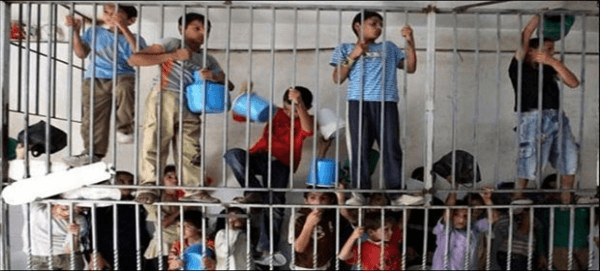
Palestinian children prison conditions in Israel’s Megiddo Prison have drawn international attention due to the alarming reports of abuse and neglect these young inmates endure. The Committee for Prisoners and Released Prisoners in Palestine has revealed harrowing accounts of hunger, physical abuse, and the denial of medical treatment that these children face daily. Reports indicate that young detainees like 15-year-old Jihad Mahir Hijaz suffer severe injuries from guards, exacerbating concerns over human rights violations within the prison system. Figures like Evs Muhammad Taha Zeyb highlight the dire situations, citing enforced starvation and untreated health issues that reflect a troubling culture of child imprisonment. Advocates for prisoners’ rights are increasingly calling for a stop to such inhumane practices and hope to bring awareness to the plight of Palestinian prisoners through international advocacy.
The situation facing juvenile detainees in Israeli facilities is shocking, characterized by reports of severe maltreatment and deprivation of essential needs. Conditions for incarcerated minors, particularly those held in facilities like Megiddo Prison, have prompted discussions about the ethics of child imprisonment and the overarching need for reform. Advocates for prisoners’ rights are calling attention to the systemic issues at play, denouncing the inhumane treatment that these young individuals face. Various organizations have highlighted the pressing need for medical attention and improved living conditions to prevent further abuse and suffering. As the global community becomes more aware of these violations, there are increasing calls for accountability and protective measures for vulnerable populations.
Living Conditions of Palestinian Children in Megiddo Prison
The conditions under which Palestinian children are held in Israel’s Megiddo Prison are alarming and reflect severe human rights violations. Reports from the Committee for Prisoners and Released Prisoners shed light on the inhumane treatment these young detainees endure. They face a lack of basic necessities, including adequate food, medical care, and a safe environment. Such harsh realities not only affect their physical health but also impose severe emotional and psychological burdens on these vulnerable youths.
For instance, 15-year-old Jihad Mahir Hijaz suffered a serious injury at the hands of prison guards and has yet to receive proper medical treatment. His precarious situation is compounded by the systemic neglect experienced by many Palestinian children in detention. These reports underline the urgent need for advocacy and intervention to protect the rights of Palestinian prisoners, especially children, who should not be subjected to such degrading conditions.
Human Rights Violations and Child Imprisonment
The plight of Palestinian children in Israeli prisons exemplifies widespread human rights violations, particularly concerning child imprisonment. International conventions dictate that minors should be treated with special care, yet the reality in Megiddo Prison stands in stark contrast to these principles. Many children are imprisoned under circumstances that thwart their development and well-being. Detaining minors not only contravenes ethical practices but also exposes them to potential abuse and maltreatment.
Human rights organizations have raised alarm over the treatment of these minors. Activists emphasize that the enforced starvation tactics reported by prisoners, like the case of Evs Muhammad Taha Zeyb who has lost substantial weight, amount to cruel and unusual punishment. The deterioration of children’s health due to inadequate nutrition and medical neglect is a severe breach of their fundamental rights, necessitating immediate action from the international community to secure better conditions for all Palestinian prisoners.
Advocacy for Prisoners’ Rights
The situation for Palestinian prisoners, particularly children, calls for dedicated advocacy to highlight the fundamental human rights that are continually infringed upon. Groups such as the Fatah Movement are vocal about the urgent need for international observers to be dispatched to Israeli prisons to monitor conditions and address violations. The call for advocacy is not only for better treatment of current prisoners but also aims to prevent further injustice to future generations.
Prisoners’ rights advocacy plays a crucial role in bringing awareness to the issues faced by detainees, including the physical and psychological toll of imprisonment on young prisoners. Movements aiming to secure rights for Palestinian detainees are essential in shaping discourse and policy around incarceration and treatment within the prison system, emphasizing the importance of observing international human rights obligations.
The Role of International Observers in Protecting Rights
The involvement of international observers is critical in safeguarding the rights of Palestinian prisoners, especially minors subjected to inhumane conditions in facilities like Megiddo Prison. By sending delegations to assess the situation, the global community can hold authorities accountable and advocate for the urgent needs of the imprisoned. International intervention could provide relief from the ongoing human rights abuses these children face and ensure that their cases are heard on a global platform.
When the international community mobilizes to advocate for humane treatment, it can mitigate the physical and emotional suffering imposed on Palestinian prisoners. Increasing visibility and scrutiny can lead to necessary reforms in prison policies, paving the way for improved conditions and protections that align with international human rights standards.
Medical Neglect and its Consequences
Medical neglect within the prison system has dire consequences for Palestinian children, compounding the suffering they endure. Reports indicate that many young prisoners are denied appropriate medical care, exacerbating existing health issues and leading to severe physical consequences. For instance, Jihad Mahir Hijaz’s untreated broken rib illustrates the critical nature of immediate medical intervention, which is often neglected in the context of Palestinian imprisonment.
The implications of such neglect are profound, resulting not only in physical pain but also in long-term psychological trauma. The lack of care available to these children, compounded by the degrading treatment they receive, raises ethical questions about the treatment of minors in conflict situations. Advocacy for proper medical care is essential in ensuring the health and safety of these young detainees.
The Impact of Starvation Policies
Starvation policies implemented in Israeli prisons particularly affect the health and well-being of Palestinian prisoners, including children. Such acts can be classified as forms of psychological and physical torture, leading to severe malnutrition and ill health among detainees. Evs Muhammad Taha Zeyb’s dramatic weight loss due to enforced starvation practices serves as a horrifying example of how young prisoners are subjected to life-threatening conditions.
The impact of these policies extends beyond physical health; they also contribute to the deteriorating mental state of those incarcerated. Starvation not only strips away their bodily strength but also undermines their resilience and capacity to cope with the harsh realities of imprisonment. These practices highlight the urgent need for international scrutiny and intervention to protect the rights of Palestinian prisoners and ensure humane treatment.
Physical and Psychological Abuse in Detention
Physical and psychological abuse against Palestinian children in detention settings is a stark violation of their rights and an affront to human dignity. Reports from various advocacy groups highlight numerous cases of maltreatment, including physical beatings and psychological harassment, which can leave long-lasting scars on young minds and bodies. The testimony of Jihad Mahir Hijaz encapsulates the brutality many young detainees face, where physical violence is a tool used to instill fear and compliance.
The psychological toll of such abuse is equally alarming. Children subjected to physical brutality often experience trauma that can affect their mental health well into adulthood. This aspect of detention raises concerns about the long-term implications for those who are supposed to be rehabilitated, not further scarred by their experiences. Addressing these issues requires comprehensive reforms and monitoring mechanisms to prevent abuse and promote the health and welfare of imprisoned youth.
Legal Framework for Child Detention
The legal framework governing the detention of children in conflict situations is intended to protect their rights and ensure humane treatment. However, the reality in places like Megiddo Prison reveals significant gaps in the application of these laws. International conventions such as the Convention on the Rights of the Child stipulate that children should not be deprived of liberty unlawfully or arbitrarily, yet many Palestinian minors find themselves in detention under circumstances that violate these principles.
Understanding the legal mechanisms intended to safeguard children’s rights is crucial in advocating for their protection. Legal challenges and reforms are needed to align practice with international law, ensuring that child imprisonment limits are respected, and that no child endures the inhumane conditions currently reported. Advocacy efforts must push for enforcement of these legal standards to safeguard the rights of Palestinian children.
The Need for Systemic Reform in Prisons
The situation in Israeli prisons highlights the urgent need for systemic reform to address the violations of both prisoner rights and humane treatment standards. Reports of abuse, neglect, and inhumane conditions call for a reevaluation of prison policies and practices. Such reforms are essential not only for the welfare of current prisoners but also to prevent future injustices that could affect successive generations.
By implementing comprehensive reforms, authorities can ensure that the rights of Palestinian prisoners are respected in accordance with international humanitarian laws. Advocacy from both local and international organizations plays a pivotal role in pushing for these changes, aiming to create an environment where the dignity of all prisoners, especially vulnerable populations like children, is upheld.
Frequently Asked Questions
What are the conditions like for Palestinian children in Megiddo Prison?
Palestinian children in Megiddo Prison endure extremely harsh conditions, facing severe hunger, physical abuse, and a lack of medical treatment. Reports reveal that these young prisoners are subjected to inhumane treatment, including enforced starvation and physical violence from guards.
How does child imprisonment affect Palestinian children in Megiddo Prison?
Child imprisonment in Megiddo Prison significantly impacts the physical and psychological well-being of Palestinian children. Many report drastic weight loss due to inadequate meals and suffer untreated medical issues such as scabies, reflecting the broader human rights violations present in the prison system.
What types of human rights violations are reported in Megiddo Prison regarding Palestinian child prisoners?
Human rights violations in Megiddo Prison include physical abuse, denial of medical care, and enforced starvation policies. The treatment of Palestinian child prisoners has drawn international concern, highlighting the need for advocacy to address these abuses.
What treatment do Palestinian children receive for injuries while imprisoned in Megiddo Prison?
The treatment for injuries among Palestinian children in Megiddo Prison is alarmingly inadequate. Many report sustaining serious injuries, such as broken bones, without receiving proper medical care. This negligence raises serious concerns about the fundamental rights of these young detainees.
Why is there a call for advocacy regarding Palestinian prisoners’ rights in Megiddo Prison?
Advocacy for Palestinian prisoners’ rights is crucial due to rampant human rights violations reported in Megiddo Prison. Calls for international oversight emphasize the need to address inhumane conditions, prevent further abuses, and ensure that the rights of child prisoners are protected.
What are the impacts of enforced starvation policies on Palestinian children in Megiddo Prison?
Enforced starvation policies in Megiddo Prison have led to significant weight loss and malnutrition among Palestinian children. Such policies contribute to poor physical health and psychological trauma, highlighting the need for urgent intervention to safeguard their well-being.
How do international observers fit into the discourse around Palestinian children prison conditions?
International observers are vital in bringing transparency and accountability to the treatment of Palestinian children in prisons like Megiddo. Their presence can help document human rights violations and pressurize authorities to improve prison conditions and uphold prisoners’ rights.
What role does the Fatah Movement play in addressing the issues of Palestinian child prisoners?
The Fatah Movement actively advocates against the severe human rights violations faced by Palestinian child prisoners in Israeli jails. They highlight these abuses publicly and call for international attention to improve the conditions that Palestinian children endure in prisons like Megiddo.
| Key Point | Details |
|---|---|
| Conditions in Megiddo Prison | Palestinian children face severe hardships including hunger, abuse, and denial of medical treatment. |
| Testimonies of Abuse | 15-year-old Jihad Mahir Hijaz reported suffering from a broken rib due to guard abuse without receiving treatment. |
| Impact of Starvation | 19-year-old Evs Muhammad Taha Zeyb lost over 30 kg due to enforced starvation policies and has untreated scabies. |
| Fatah Movement Statement | Called for international observers to address human rights violations and the treatment of prisoners. |
Summary
Palestinian Children Prison Conditions have reached alarming levels as reports from the Committee for Prisoners and Released Prisoners indicate severe abuse and neglect in Israeli incarceration facilities. These children endure inhumane treatment, including hunger, physical abuse, and lack of medical care. Testimonies reveal shocking instances of violence and neglect that highlight the urgent need for international intervention and monitoring of human rights abuses in these prisons.