Israel Annexation: Saar’s Warning Amid Palestine Recognition
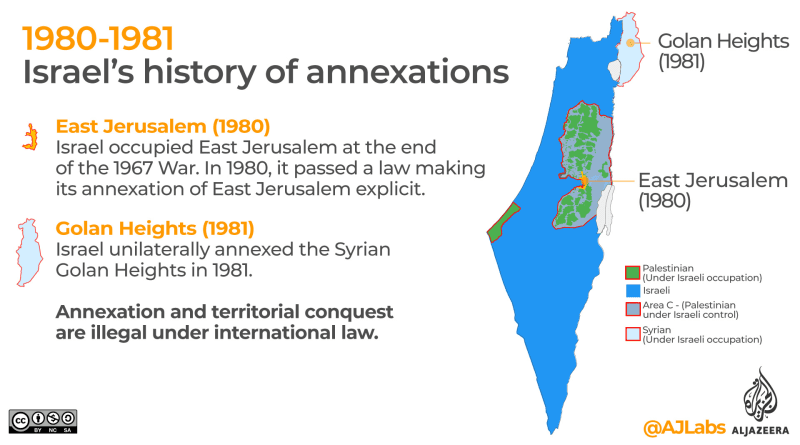
The ongoing debate surrounding Israel annexation is a focal point in the complex geopolitical landscape of the Middle East. Recently, Israeli Foreign Minister Gideon Saar threatened that if countries like France and the UK officially recognize Palestine, Israel would respond by unilaterally annexing West Bank settlements and the Jordan Valley. This declaration underscores the tension surrounding Israeli foreign policy and its implications for Palestine recognition, particularly in light of an upcoming international conference scheduled for June 18 in New York. As the number of recognized nations in favor of a Palestinian state continues to grow, hovering at 149 out of 193 UN member states, Israel remains steadfast in its commitment to maintain territorial control. The backdrop of the Gaza conflict and ongoing West Bank settlements further complicates the peace process, as the Israeli government braces for potential diplomatic fallout from such unilateral actions.
The subject of Israel’s territorial expansion has sparked significant concern and discussion in diplomatic circles. Amid rising tensions, key figures like Foreign Minister Gideon Saar have warned that if leading nations, such as the United Kingdom and France, take steps to acknowledge Palestinian statehood, Israel may respond by asserting control over disputed territories like the West Bank and Jordan Valley. This potential move promises to intensify ongoing debates about international recognition of Palestine and highlight the complexities of Israeli foreign policy. With an international conference on the horizon, where discussions are expected to revolve around the future of Palestinian statehood, the landscape appears increasingly fraught with challenges. Coupled with the ongoing humanitarian crisis stemming from the Gaza conflict, the dynamics of West Bank settlements remain pivotal in shaping future negotiations.
The International Response to Israeli Expansionism
The recent statements made by Israeli Foreign Minister Gideon Saar reflect a significant shift in Israel’s approach to foreign relations, particularly concerning its occupation policies. His warning about unilateral annexation of settlements in the West Bank has raised eyebrows internationally, especially as countries like France and the UK consider recognizing Palestine. This move could set a precarious precedent, leading to heightened tensions in the region. The reactions from various governments underscore the complexity of international diplomacy in the face of ongoing Israeli expansionism in contested territories.
As the international conference scheduled for June 18th approaches, the global community is increasingly aware of the delicate balance between recognizing Palestine and the implications for Israeli settlements. With around 149 UN member states recognizing Palestinian statehood, the pressure mounts on nations that have yet to do so. The prospect of Israel’s unilateral annexation could further complicate peace efforts and exacerbate the long-standing grievances of Palestinians, particularly in light of the escalating violence and settlement expansion that have characterized Israeli policy in recent years.
Frequently Asked Questions
What is the impact of Israel’s annexation of West Bank settlements on Palestinian statehood?
Israel’s annexation of West Bank settlements significantly impacts Palestinian statehood aspirations. As Israeli Foreign Minister Gideon Saar has indicated, unilateral annexation actions may occur if countries recognize Palestine, undermining international efforts for a two-state solution. Currently, 149 UN member states acknowledge Palestine, and further recognition is sought through international conferences, which could accelerate annexation plans. This situation complicates peace negotiations and the feasibility of a sovereign Palestinian state.
How does international recognition of Palestine influence Israel’s annexation policies?
International recognition of Palestine plays a crucial role in shaping Israel’s annexation policies. Gideon Saar has warned that recognition from countries like France and the UK would prompt Israel to proceed with annexing West Bank settlements and the Jordan Valley. This highlights Israel’s strategy of responding to perceived unilateral actions against its interests by taking its own unilateral steps, which further escalates tensions in the region.
What are the implications of the upcoming international conference on Israeli foreign policy and annexation plans?
The upcoming international conference, which aims to discuss the recognition of a Palestinian state, poses significant implications for Israeli foreign policy. Israeli officials are concerned that it may lead to increased global endorsement of Palestinian statehood, prompting Israel to accelerate its annexation of settlements in the West Bank. This approach reflects a defensive stance in Israeli policy, prioritizing territorial claims in response to international diplomatic movements.
How many settlements are currently in the West Bank, and what is their legal status concerning Israel’s annexation?
There are approximately 180 recognized settlements and 256 illegal settlements in the West Bank, with the number of settlers expected to reach 770,000 by the end of 2024. The legal status of these settlements is contentious; while Israel maintains de facto control over them, the international community often regards many as illegal, complicating discussions surrounding annexation and Palestinian rights.
What has been the international community’s response to Israel’s annexation plans and their impact on the Gaza conflict?
The international community, including the International Court of Justice, has largely condemned Israel’s annexation plans as violations of international law. The ongoing Gaza conflict, coupled with escalated violence in the West Bank, has further highlighted the urgency for diplomatic efforts aimed at cessation of annexation activities. Countries participating in the upcoming international conference are expected to advocate for Palestinian state recognition, which may provoke a stern reaction from Israel, potentially straining diplomatic relations.
What does the recent advisory opinion by the International Court of Justice mean for Israel’s settlement activities?
The International Court of Justice issued an advisory opinion urging Israel to cease all new settlement activities in occupied territories, advocating for the removal of Israeli settlers. However, Israel dismissed this recommendation, mirroring its historical stance against international legal rulings perceived as threatening its sovereignty. This rejection of the court’s advice raises questions about Israel’s long-term plans regarding West Bank annexation and settlement policy in the face of global scrutiny.
| Key Points | |
|---|---|
| Gideon Saar’s Warning | If countries like France and the UK recognize Palestine, Israel will annex West Bank settlements unilaterally. |
| International Conference Implications | An international conference led by Macron on June 18 could lead to multiple nations recognizing Palestine, heightening Israeli tensions. |
| Settlements Overview | Currently, there are about 770,000 settlers in the West Bank, including many illegal settlements. |
| Casualties and Conflict | Over 960 Palestinians have died due to Israeli actions since October 7, 2023, amidst rising violence. |
| Legal Context | The International Court of Justice has ruled against new settlement activities, which Israel has rejected. |
Summary
The topic of Israel annexation has gained significant attention due to the statements made by Israeli Foreign Minister Gideon Saar, signaling potential unilateral actions in response to international recognition of Palestine. As Israel weighs its steps against impending global diplomatic moves and ongoing conflicts in the region, the implications of Saar’s statements extend beyond local politics to affect international relations and the prospects for peace.