Turkey’s Diplomatic Role: A Key Player in Global Politics
Turkey’s diplomatic role has emerged as a pivotal force in shaping international relations, especially under the stewardship of President Erdoğan. In recent weeks, Erdoğan has harnessed Turkey’s geopolitical advantages to secure significant triumphs, solidifying its standing as a crucial NATO ally and mediator in global conflicts. His ability to broker discussions between Russia and Ukraine amidst rising tensions illustrates Turkey’s influential position on the world stage. Furthermore, the lifting of U.S. sanctions on Syria and the disbandment of the PKK organization have been notable achievements that underscore Turkey’s proactive foreign policy approach. As a linchpin in Erdoğan’s foreign policy strategy, Turkey continues to navigate complex geopolitical landscapes, reinforcing its importance in international affairs.
The Republic of Turkey has emerged as a significant player in contemporary geopolitical dynamics, especially regarding its diplomatic engagements and strategies. President Erdoğan’s leadership highlights how Turkey is becoming increasingly vital in global diplomacy, mediating conflicts and fostering international collaborations. The nation’s role as a bridge in the Russia-Ukraine conflict exemplifies its strategic importance, while the strengthening of NATO alliances further cements its position as a crucial sovereign actor. Turkey’s recent successes on the world stage indicate a transformative foreign policy approach that enhances its stature within global discussions. As experts note, Turkey is not only navigating its immediate regional challenges but also influencing broader discussions on international stability and security.
Turkey’s Diplomatic Role in Global Affairs
Turkey has emerged as a pivotal player in international relations, with President Erdoğan’s foreign policy initiatives garnering significant attention worldwide. Through strategic diplomatic engagements, Turkey has positioned itself as a mediator in critical geopolitical conflicts like the ongoing Russia-Ukraine war. Notably, Erdoğan’s role in facilitating talks between the conflicting nations has been praised, emphasizing Turkey’s growing influence in fostering dialogue and peace.
The diplomatic victories achieved by Turkey under Erdoğan’s leadership reinforce the nation’s status as an essential ally within NATO. By successfully navigating complex negotiations and advocating for pragmatic solutions, Turkey not only solidifies its geopolitical stance but also enhances its credibility on the global stage. As a NATO ally, Turkey’s contributions to security dynamics in Europe and its efforts to mediate in international disputes underscore its importance in the evolving landscape of international relations.
Erdoğan’s Foreign Policy Achievements
President Erdoğan’s tenure has been defined by a series of ambitious foreign policy achievements that resonate across various global platforms. According to the American think tank Atlantic Council, Erdoğan’s latest diplomatic maneuvers have brought unprecedented attention to Turkey’s role in international affairs. The successful lifting of US sanctions on Syria and the disbandment of the PKK terrorist organization are notable milestones that highlight Erdoğan’s commitment to regional stability and security.
Additionally, Erdoğan’s ability to bring Russia and Ukraine to the negotiating table is a testament to Turkey’s diplomatic prowess. As highlighted in various media analyses, these engagements not only serve Turkey’s national interests but also position it as a crucial mediator in crises that affect the broader European security framework. Erdoğan’s proactive foreign policy is instrumental in redefining Turkey’s international image and securing its geopolitical victories.
Turkey’s Geopolitical Victories in the Russia-Ukraine Conflict
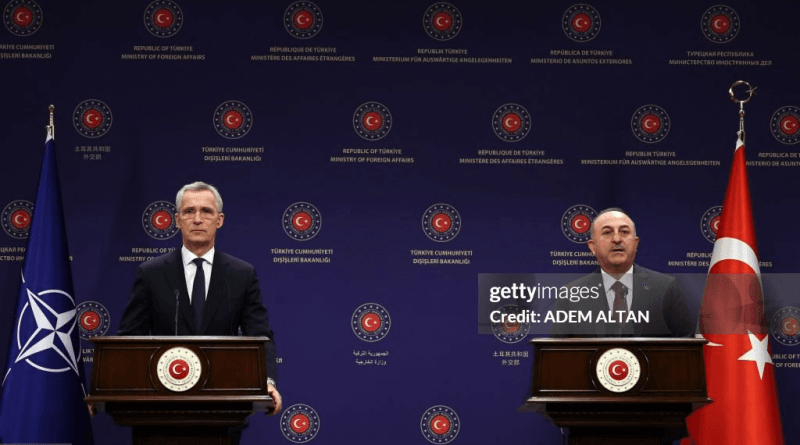
The ongoing conflict between Russia and Ukraine has opened new avenues for Turkey to assert its influence on the global geopolitical stage. By hosting peace talks between the warring nations, Turkey has demonstrated its capability to act as an impartial mediator, a role that is increasingly seen as vital given the escalating tensions in the region. The French and German press has highlighted these efforts, applauding Turkey’s strategic positioning amidst a complicated diplomatic landscape.
Moreover, Turkey’s involvement in the Russia-Ukraine negotiations not only strengthens bilateral relations with both countries but also augments its standing within NATO. As Europe grapples with security concerns stemming from the conflict, Turkey’s initiatives serve to underscore its importance as a stabilizing force in the region. This approach aligns with Erdoğan’s broader foreign policy vision and reinforces Turkey’s image as an indispensable ally in promoting peace and security.
Turkey: A Crucial NATO Ally
Turkey’s role as a NATO ally is becoming increasingly vital as the alliance navigates contemporary security challenges. Erdoğan’s leadership has been instrumental in rejuvenating Turkey’s commitment to the alliance, making it clear that Turkey stands firm against threats that jeopardize regional and global security. The recent calls for NATO to rearm have further accentuated Turkey’s strategic significance, particularly amid ongoing threats stemming from the Russia-Ukraine conflict.
As NATO seeks to bolster its collective defense posture, Turkey’s geopolitical advantages, including its strategic location and military capabilities, make it an essential partner. Erdoğan’s emphasis on collaborating with allies to enhance mutual security interests reflects a pragmatic approach that is essential in today’s complex geopolitical environment. Thus, Turkey not only strengthens NATO’s defense mechanisms but also actively contributes towards fostering stability in various conflict zones.
The Impacts of Turkey’s Foreign Policy on Regional Stability
Turkey’s foreign policy under President Erdoğan has profound implications for regional stability, particularly in the Middle East and Eastern Europe. Erdoğan’s assertive diplomacy is often characterized by proactive engagement in conflicts that have historically determined regional dynamics. The successful peaceful negotiations orchestrated by Turkey between conflicting nations have not only exemplified Turkey’s capability to lead but have also instilled hope for durable peace in these regions.
The disbanding of the PKK terrorist organization and Turkey’s firm stance on the Syrian crisis reflect its pivotal role in addressing key security threats. Analysts suggest that Erdoğan’s foreign policy not only aims for immediate national interests but also focuses on long-term stability for neighboring countries. By fostering collaboration and dialogue, Turkey positions itself as a central player in resolving conflicts and enhancing security throughout its geopolitical sphere.
The Importance of Turkey in Global Geopolitics
Turkey’s significance in global geopolitics is rapidly increasing, particularly as nations reassess their alliances and strategic partnerships. Erdoğan’s diplomatic strategies have placed Turkey at the center of crucial discussions that shape international relations. As a bridge between East and West, Turkey’s unique geographical positioning allows it to influence events across different regions, making its role indispensable in current global dynamics.
In addition, Turkey’s assertive foreign policy has enabled it to play a leading role in various international platforms, highlighting its commitment to addressing global challenges. With the rise of complex geopolitical issues such as the Russia-Ukraine conflict, Turkey’s proactive engagement is seen as essential for fostering meaningful dialogue and conflict resolution, underscoring its importance as a key player in global geopolitics.
Turkey’s Emerging Influence in European Security
As the landscape of European security evolves, Turkey’s influence is becoming increasingly apparent. President Erdoğan’s ability to engage with both Western and Eastern powers positions Turkey as a crucial mediator in resolving security disputes. The emphasis on Turkey’s role in the Russia-Ukraine negotiations showcases its ability to bridge gaps between conflicting parties, thereby enhancing its stature in European security conversations.
Furthermore, as NATO recalibrates its strategic priorities in response to emerging threats, Turkey’s contributions to continental security are recognized as vital. With calls for NATO’s rearmament, Turkey’s military capabilities and regional insights offer significant advantages in addressing security challenges. This evolving narrative reinforces the need for a collaborative approach to security, where Turkey plays a leading role.
The Role of Turkish Media in Shaping Foreign Policy Narratives
The Turkish media has played an integral role in shaping the public perception of President Erdoğan’s foreign policy achievements. Coverage of Turkey’s diplomatic efforts, particularly regarding the Russia-Ukraine conflict, underscores the strategic initiatives taken by Erdoğan. By disseminating information about Turkey’s geopolitical engagements, the media highlights the nation’s rising role on the international stage, providing viewers with a comprehensive understanding of its foreign policy motivations.
Increased attention from prestigious international publications further amplifies the narratives constructed by Turkish media. Analyzing the successes of Erdoğan’s diplomacy helps portray Turkey as an emerging power capable of influencing global affairs. The media’s portrayal of Turkey as a significant ally in NATO and a critical player in Eurasian geopolitics reflects broader public sentiment, reinforcing Turkey’s aspirations to become a key actor in international relations.
Challenges Ahead for Turkey’s Foreign Policy
Despite the significant achievements, Turkey’s foreign policy under President Erdoğan faces numerous challenges that could impact its efficacy in international relations. The complex geopolitical landscape, characterized by fluctuating alliances and rising tensions, necessitates a careful approach to diplomacy. Turkey must navigate various regional conflicts while maintaining its relations with both NATO allies and non-NATO countries, especially in the context of the Russia-Ukraine conflict.
Additionally, internal political dynamics and economic considerations within Turkey may influence its foreign policy decisions. As the nation continues to assert its strength on the global stage, balancing domestic needs with international ambitions will be critical for sustaining its growing influence. Addressing these challenges is imperative for Turkey to maintain its course as a prominent and effective player in global diplomacy.
Frequently Asked Questions
How is Turkey’s diplomatic role defined by Erdoğan’s foreign policy?
Turkey’s diplomatic role, significantly shaped by Erdoğan’s foreign policy, emphasizes proactive engagement in international affairs. This strategy aims to enhance Turkey’s influence on global crises, showcasing it as a mediator in conflicts like the ongoing Russia-Ukraine situation.
What are Turkey’s geopolitical victories under Erdoğan’s leadership?
Turkey has achieved notable geopolitical victories under Erdoğan’s leadership, including successful mediation efforts in the Russia-Ukraine conflict, the lifting of U.S. sanctions on Syria, and progress in disbanding the PKK terrorist organization. These victories reflect Turkey’s strategic importance on the world stage.
What role does Turkey play as a NATO ally in global diplomacy?
As a vital NATO ally, Turkey plays a crucial role in global diplomacy by providing strategic support for defense initiatives and acting as a bridge between East and West. President Erdoğan’s foreign policy has reinforced Turkey’s position within NATO, particularly in the context of security challenges arising from geopolitical tensions.
How has the Russia-Ukraine conflict impacted Turkey’s international relations?
The Russia-Ukraine conflict has heightened Turkey’s diplomatic significance, allowing it to showcase its ability to mediate effectively between the two nations. Erdoğan’s involvement has positioned Turkey as a key player in fostering dialogue, which is vital for maintaining regional stability and enhancing Turkey’s international relations.
Why is Turkey considered an indispensable ally for NATO according to recent analyses?
Recent analyses assert that Turkey is an indispensable ally for NATO due to its strategic location and military capabilities. The support Turkey provides, particularly in light of rising geopolitical uncertainties, underscores its importance to NATO’s collective security efforts and overall defense strategy.
What influential role does Erdoğan play in Turkey’s foreign policy and international diplomacy?
Erdoğan plays a pivotal role in shaping Turkey’s foreign policy and international diplomacy by influencing key diplomatic engagements and fostering Turkey’s emergence as a major geopolitical player. His proactive approach has enhanced Turkey’s visibility on the global stage and solidified its influence on critical international issues.
How have recent diplomatic successes improved Turkey’s standing in international politics?
Recent diplomatic successes, such as hosting negotiations between Russia and Ukraine, have significantly improved Turkey’s standing in international politics. Erdoğan’s capability to act as a mediator demonstrates Turkey’s commitment to promoting peace and stability, thereby solidifying its role as a major diplomatic player.
| Key Points | Details |
|---|---|
| Turkey’s Diplomatic Achievements | President Erdoğan secured significant geopolitical victories, raising Turkey’s profile on the world stage. |
| Engagement with Russia and Ukraine | Turkey facilitated dialogues between Russian and Ukrainian leaders, highlighting its role as a mediator in the ongoing conflict. |
| Role in Syria | Turkey’s position as a support for the Syrian cause was emphasized, aligning with NATO’s strategic interests. |
| Commentary from International Media | Media outlets like Newsweek and Le Pèlerin acknowledge Erdoğan’s influence and Turkey’s growing importance in international relations. |
| Need for Closer European Ties | European media suggests that Europe should adopt a more realistic approach towards Turkey, emphasizing its role as an indispensable NATO ally. |
Summary
Turkey’s diplomatic role has emerged as pivotal in shaping international relations, particularly with its recent successes under President Erdoğan. The country’s ability to mediate between conflicting parties and address pressing geopolitical issues has solidified its stature as a crucial player in global diplomacy. By fostering dialogues between nations and affirming its alliances, Turkey continues to enhance its diplomatic significance, which is vital for both regional stability and international cooperation.