Prisoner Exchange Russia Ukraine: 1,000 Exchanged in Istanbul
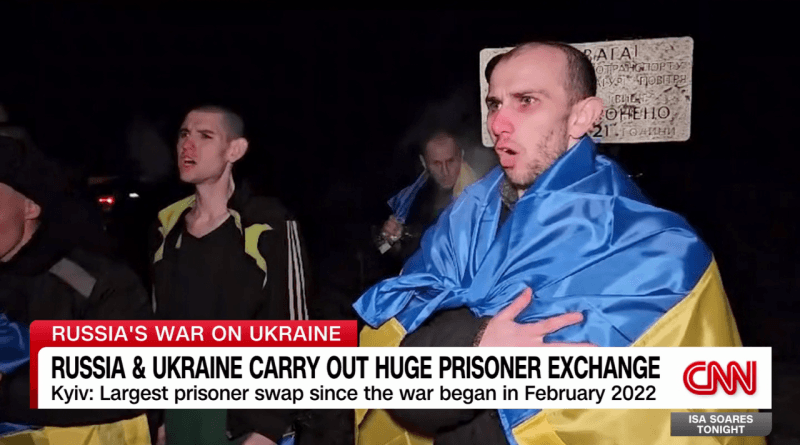
The recent prisoner exchange between Russia and Ukraine marks a significant milestone in the ongoing conflict, showcasing a flicker of hope amidst the turmoil. As outlined in the agreements reached during the Russia Ukraine peace talks in Istanbul, this historic event facilitated the exchange of 1,000 prisoners, enhancing diplomatic ties and humanitarian efforts. The details of the prisoner swap news reveal the complex negotiations underlying this monumental decision, as both nations prioritize the welfare of their citizens. Such initiatives may pave the way for more comprehensive dialogues, including potential future discussions regarding a lasting ceasefire. As we delve into the implications and intricacies of this exchange, the spotlight remains on the transformative role of humanitarian efforts in the Russia Ukraine crisis, as well as the anticipated Ukraine prisoner release process that follows.
In the context of the ongoing conflict, the recent developments surrounding the exchange of detainees between Russia and Ukraine highlight a crucial step towards possible resolutions. This strategic prisoner swap, facilitated by the Istanbul agreement, not only serves as a testament to diplomatic dialogue but also indicates a mutual commitment to humanitarian principles. The complexities involved in such negotiations underscore the delicate balance both nations are trying to maintain while seeking peace. By examining the implications of these discussions, we can better understand the broader impact of such exchanges on the geopolitical landscape and the lives of the individuals involved. As details regarding the exchange process continue to unfold, the narrative around these diplomatic efforts becomes increasingly important.
Overview of the Istanbul Agreement: A Landmark in Russia-Ukraine Relations
The Istanbul Agreement marked a significant step in Russia-Ukraine peace talks, signaling a potential thaw in relations that had been cool since the onset of the conflict. The agreement outlines various aspects of cooperation, including humanitarian concerns and the much-anticipated prisoner exchange. By facilitating an exchange of prisoners, this agreement demonstrates a commitment to reconciliation and lays the groundwork for future dialogues aimed at restoring stability in the region.
The negotiations in Istanbul sought not only to address the immediate prisoner swap but also to pave the way for further discussions on broader issues affecting both nations. The successful completion of this three-day prisoner exchange is seen as a crucial element in fostering goodwill. As both sides proceed to implement the details of the exchange, it’s pertinent to analyze how these talks might influence future interactions and what additional measures could follow to strengthen both countries’ commitments to peace.
Prisoner Exchange Russia-Ukraine: What We Know So Far
The recent prisoner exchange between Russia and Ukraine involved a staggering 1,000 individuals, revealing the extent of the humanitarian crisis that persists as a consequence of ongoing hostilities. Reports indicate that the exchanged prisoners include military personnel and civilians from both countries, highlighting the complexity and emotional toll of war. This dramatic event not only brings relief to the families of the exchanged but also raises questions about the fate of those who remain imprisoned, as well as the conditions they endure.
Moreover, the prisoner swap news has gained significant attention globally as it highlights the intricate negotiations that have become necessary in the pursuit of peace. With details of the exchange still rolling in, analysts are watching closely to observe how this could affect public sentiment and support for ongoing peace initiatives, including the Istanbul Agreement. As more details emerge regarding the specific circumstances of the prisoners involved, the implications of this exchange could resonate far beyond the immediate relief it offers.
Humanitarian Implications of the Prisoner Swap
The completion of the prisoner swap emphasizes the urgent humanitarian needs arising from the Russia-Ukraine conflict. Families of the released prisoners have shared stories of uncertainty and fear that dominated their lives during the captivity of their loved ones. The psychological impact of such exchanges cannot be overstated, as they represent a ray of hope for those longing for reconciliation. Humanitarian organizations are likely to leverage this moment to address broader issues of human rights and advocate for the humane treatment of prisoners across the conflict.
Such a significant exchange not only highlights the need for urgent humanitarian assistance but also underscores the importance of international attention. The aftermath of the prisoner exchange presents an opportunity for the international community to step in, ensuring that the terms of the Istanbul Agreement regarding the treatment of prisoners are respected. By supporting the Ukraine prisoner release initiative, humanitarian organizations could enhance their efforts to maintain pressure on both governments, ensuring that future negotiations incorporate longstanding issues affecting the detainees.
The Future of Peace Talks Following the Exchange
Following the recent prisoner exchange, both Russia and Ukraine find themselves at a crossroads regarding peace talks. This exchange signifies a willingness to engage in dialogue, which could potentially lead to more comprehensive discussions about enduring peace. Observers speculate whether this goodwill gesture will translate into more substantial negotiations on territorial disputes and resource sharing. The outcome of these discussions could pivot on how effectively both nations honor the commitments made during the Istanbul Agreement.
Moreover, successful exchanges such as this could create a ripple effect, encouraging more diplomacy and less aggression between the two nations. As both sides continue to show signs of potential collaboration, it’s essential to consider how public perception shapes their negotiation strategies. As peace efforts evolve, understanding the dynamics introduced by the prisoner exchange could facilitate the momentum necessary for a lasting agreement, reinforcing the importance of sustained dialogue and mutual respect.
Media Perspectives on the Prisoner Exchange
The media has played a pivotal role in shaping narratives around the Russia-Ukraine conflict, particularly in light of the recent prisoner exchange. Coverage has varied significantly, with some outlets highlighting the emotional stories of families reunited after prolonged separations, while others focus on the strategic implications for future negotiations. As journalists dissect the details of the Istanbul Agreement, their observations will likely influence public opinion and, consequently, the political climate surrounding these delicate talks.
Moreover, the significance of prisoner swap news transcends beyond just a humanitarian success; it opens doors for discussions about international involvement and the need for a robust framework for resolving conflicts. Analysts point out that the media’s framing can either encourage further diplomatic efforts or fuel cynicism regarding the potential for peace in the region. As such, it’s essential for news coverage to balance emotional human interest stories with critical insights into the broader political context.
Impact on Bilateral Relations Post-Exchange
The three-day prisoner exchange has the potential to reshape bilateral ties between Russia and Ukraine significantly. The ability to negotiate effectively and reach an agreement reflects both nations’ willingness to address complex humanitarian issues collaboratively. This act might serve as a catalyst for a more extensive dialogue that goes beyond prisoner exchanges, potentially leading to resolutions of contentious political and military matters. As both nations reflect on the outcomes of this agreement, there is hope that it could herald a new era of diplomacy.
This positive shift in relations may impact future negotiations within international platforms, easing tensions that have long defined Russia-Ukraine dialogue. Analysts speculate that this goodwill gesture could lead to future prisoner exchange agreements and ongoing discussions surrounding territorial integrity and resource distribution as defined in the Istanbul Agreement. If both nations can leverage the momentum from this exchange for broader peace initiatives, the possibility for long-term stability in the region may become more tangible.
Understanding the Details of the Prisoner Exchange
As details of the recent prisoner exchange emerge, it is crucial for analysts to examine the specific conditions and stipulations that governed this process. Understanding the negotiations leading to the swap provides insight into the ongoing conflict and the parties’ willingness to engage in humane actions amidst adversarial stances. Reports indicate that while this exchange was comprehensive, the criteria for selecting prisoners for release were complex and politically charged.
Additionally, the intricacies surrounding the exchange protocols and the types of prisoners included—whether military, political, or civilian—can shed light on the broader narrative of the conflict. Observing how both sides manage post-exchange scenarios will also be essential for assessing future prisoner releases and the overall impact on ongoing negotiations related to the Istanbul Agreement. Careful scrutiny of these elements can offer critical insights into the path forward for peace talks.
Responses from International Community on the Exchange
International reactions to the recent prisoner exchange have highlighted diverse perspectives regarding the broader implications for the Russia-Ukraine conflict. Many nations and organizations have applauded the humanitarian aspect of the swap, emphasizing the need for continued dialogues focused on de-escalation and peace-building. International observers have called upon both sides to build on this momentum, ensuring humanitarian issues remain a priority in future negotiations.
However, some analysts caution against viewing this prisoner exchange as a panacea for the ongoing tensions. They argue that while immediate humanitarian concerns are addressed, significant geopolitical challenges remain unresolved. The international community, therefore, is tasked with not only acknowledging the positive developments surrounding the prisoner swap but also ensuring sustained pressure to achieve comprehensive resolutions that encompass all facets of the conflict.
Looking Ahead: The Role of Diplomacy in Future Exchanges
As the dust settles from this significant prisoner swap, the role of diplomacy becomes increasingly important. Future exchanges hinge on the ability of diplomatic channels to remain open and active. Observers suggest that this latest exchange might encourage both nations to engage more deeply in negotiations beyond humanitarian issues, potentially facilitating discussions on the cessation of hostilities and broader political reforms. Diplomacy will be crucial in maintaining open lines of communication necessary for any future exchanges.
Furthermore, the focus on diplomatic endeavors can help ensure that such exchanges are not viewed as isolated events but rather part of a larger framework of conflict resolution. Encouraging greater stakeholder involvement, including international mediators, may help solidify a process that could lead to eventual peace talks. In this light, the prisoner exchange not only serves as a humanitarian relief measure but also as a crucial stepping stone towards a more peaceful future defined by cooperative diplomacy.
Frequently Asked Questions
What are the latest updates on the prisoner exchange Russia Ukraine as per the Istanbul agreement?
The latest updates on the prisoner exchange Russia Ukraine indicate that a significant agreement was reached during the peace talks in Istanbul. A 3-day prisoner exchange recently took place, resulting in a total of 1,000 prisoners being swapped between the two countries.
How many prisoners were involved in the recent Russia Ukraine prisoner exchange?
In the recent prisoner exchange Russia Ukraine, a total of 1,000 prisoners were exchanged. This swap was part of the peace talks held in Istanbul, marking a significant step in easing tensions between the nations.
What details are available regarding the prisoner swap news related to Russia Ukraine?
The prisoner swap news related to Russia Ukraine highlights a completed 3-day exchange where 1,000 prisoners were returned to their respective countries. This swap underscores ongoing diplomatic efforts stemming from the Istanbul agreement.
Are there any new agreements about prisoner exchange between Russia and Ukraine?
Yes, the most recent agreement on prisoner exchange between Russia and Ukraine emerged from the peace talks in Istanbul, leading to a successful completion of a large-scale swap, where 1,000 prisoners were exchanged.
What impact does the prisoner exchange have on the Russia Ukraine peace talks?
The prisoner exchange is a positive development in the ongoing Russia Ukraine peace talks, demonstrating a willingness from both sides to engage in dialogue and potentially create a pathway towards more comprehensive negotiations.
When did the 3-day prisoner exchange between Russia and Ukraine take place?
The 3-day prisoner exchange between Russia and Ukraine took place recently, as part of the agreements made during the peace talks in Istanbul, which aimed to facilitate the return of captured individuals.
What is the significance of the Istanbul agreement for future prisoner exchanges Russia Ukraine?
The Istanbul agreement is crucial as it sets a precedent for future prisoner exchanges Russia Ukraine, illustrating a framework for cooperation and potential future negotiations to resolve ongoing conflicts.
How can I stay updated on the progress of prisoner exchanges between Russia and Ukraine?
To stay updated on the progress of prisoner exchanges between Russia and Ukraine, follow credible news outlets and channels that cover international relations and conflict resolutions extensively.
| Key Point | Details |
|---|---|
| Peace Talks | Agreement reached in Istanbul between Russia and Ukraine. |
| Prisoner Exchange Duration | The exchange took place over 3 days. |
| Number of Prisoners Exchanged | A total of 1,000 prisoners were exchanged between the two countries. |
| Future Details | Further information on the implications of the exchange is forthcoming. |
Summary
The prisoner exchange between Russia and Ukraine marks a significant event in their ongoing conflict, highlighting the recent agreement reached in Istanbul. This 3-day exchange involved 1,000 prisoners, indicating a critical step towards potential diplomacy and resolution. As both nations continue to navigate the complexities of their relationship, the successful execution of this exchange could pave the way for more discussions aimed at peace.